Uncover the Realm of Fair Trade Tea: Excellent Brews That Encourage Sustainable Practices
Fair Trade tea showcases a perfect equilibrium of quality and integrity. Each cup furnishes a distinct taste composition while backing sustainable farming practices. This process not only elevates the tea experience but also supports marginalized farmers. Grasping its origins and certification processes reveals deeper layers of meaning. As shoppers become more deliberate about their picks, the reach of Fair Trade tea extends beyond taste. What exists below the surface of these determinations?
Discover the Origins of Fair Trade Tea
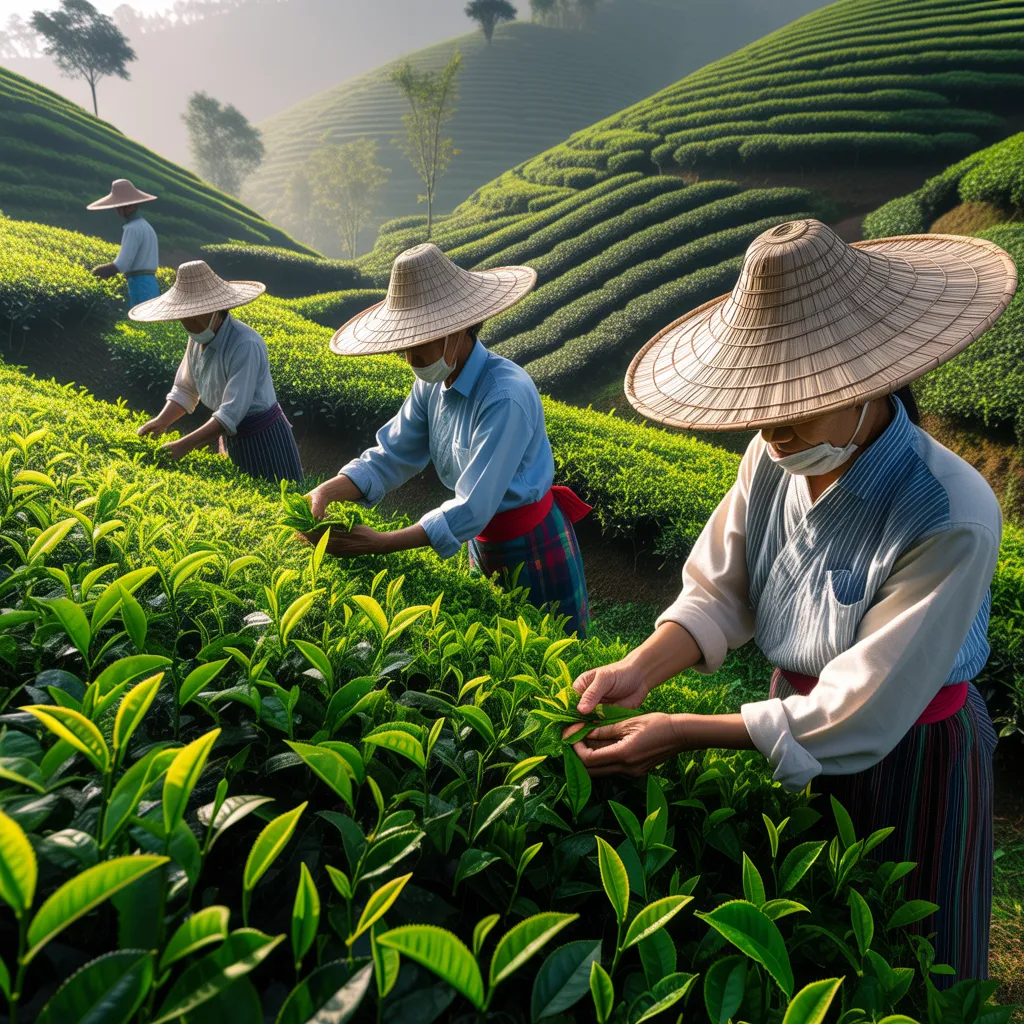
Fair Trade tea is grounded in the socioeconomic efforts intended to improve the livelihoods of excluded farmers. Surfacing in the late 20th century, this scheme sought to address inequities in worldwide trade, chiefly in emerging nations where tea is often harvested. The movement gathered pace as consumers became progressively conscious of the harsh truths confronted by small-scale farmers, including unjust pricing and abuse by major conglomerates.
Using collaborative frameworks, Fair Trade intended to strengthen these farmers, ensuring they obtained fair compensation and assistance for environmentally responsible agriculture. The movement also focused on advancing environmental responsibility, promoting organic farming and biodiversity. As knowledge grew, Fair Trade tea functioned as a symbol of ethical consumption, connecting consumers directly with the origins of their beverages. By selecting Fair Trade tea, individuals contribute to a larger goal of social justice and economic equity, building a more sustainable future for tea-growing communities.
Comprehend ethical commerce for sustainable operations
Understanding Fair Trade certification is vital to identifying how sustainable practices are maintained within the tea industry. This certification assures that producers receive fair wages and work under safe conditions, which directly supports community development. Fair Trade standards advance environmentally sustainable farming methods, reducing the use of harmful chemicals and encouraging biodiversity.
Certification enhances clarity in the distribution network, allowing customers to track their tea back to its origin. By following these guidelines, farms engage in practices that protect environmental assets and sustain local environments. Additionally, Fair Trade groups often deliver educational resources and instruction to farmers, equipping them to enhance their production methods and economic stability.
In the end, Fair Trade certification improves the quality of tea while also aligning buyer preferences with responsible and sustainable values, rendering it a essential component of the tea sector's commitment to community responsibility and environmental protection.
Investigate Top Selection of Fair Trade Tea
While many tea enthusiasts practical guide appreciate the rich flavors and aromas of different teas, exploring the top varieties of Fair Trade tea reveals a greater dedication to ethical sourcing and sustainability. Some well-liked options include Fair Trade Assam, recognized for its bold, malty taste, and Fair Trade Darjeeling, often referred to as the "Champagne of teas" for its subtle flower-like characteristics. Another significant variety is Fair Trade Earl Grey, infused with bergamot, providing a unique citrus twist.
Moreover, Fair Trade Green Tea, lauded for its invigorating qualities and health benefits, is increasingly favored among health-conscious consumers. Herbal blends, such as Fair Trade Chamomile and Peppermint, also distinguish themselves, providing soothing and calming effects. Each of these varieties not only yields exceptional flavor but also assists farmers and communities working for better livelihoods, making them a responsible choice for tea lovers seeking quality and ethical assurance.
Brewing Fair Trade Tea: Pointers for a Exceptional Cup
To prepare the perfect cup of Fair Trade tea, focus is vital, as the right methods can enhance the tea's individual tastes and scents. First, the water quality is key; using filtered water guarantees a fresh flavor that allows the tea's features to stand out. The water temperature is also important; various kinds of tea call for precise heat; boiling for black tea and cooler for green or herbal varieties.
Following this, the soaking duration needs to be strictly observed. Excessive steeping can generate bitter notes, while inadequate steeping may not capture the complete taste spectrum. A general guideline is 3-5 minutes for black tea and 2-3 minutes for green tea.
Finally, employing the correct proportion of tea to water improves the flavor; one teaspoon of loose tea per cup is a solid foundation. By following these suggestions, tea enthusiasts can fully appreciate the rich offerings of Fair Trade tea.
Environmental Benefits of Ethically Sourced Tea
Brewing Fair Trade tea not only enhances the tea encounter but also supports eco-friendly farming methods that benefit the environment. Fair Trade accreditation encourages farmers to use natural cultivation techniques, which reduce the reliance on harmful pesticides and fertilizers. This approach fosters species diversity, helping to preserve local habitats and safeguard wildlife habitats.
Moreover, Fair Trade practices often stress soil health and water management, ensuring that tea cultivation does not deplete essential resources. By helping small-scale farmers, Fair Trade also promotes agroforestry, which integrates tea cultivation with other crops and trees, further enhancing environmental resilience.
In addition, Fair Trade tea frequently includes eco-conscious packaging and transportation methods, minimizing the greenhouse gas emissions tied to its distribution. All in all, selecting Fair Trade tea demonstrates a deliberate commitment to advance a increasingly eco-friendly farming approach that honors both the planet and its people.

The Way Your Tea Choice Boosts Communities Worldwide
Investing in Fair Trade tea bolsters global communities by providing agricultural workers with fair remuneration and enhanced labor situations. This commitment assures that tea producers can maintain their economic stability while helping their dependents and community markets. By acquiring Fair Trade tea, end consumers promote the expansion of significant local services, like learning opportunities and healthcare.
Fair Trade accreditation promotes ethical practices, requiring businesses to adhere to guidelines that emphasize workers' rights and ecological responsibility. As a consequence, growers are incentivized to cultivate premium tea, which not only enhances their earnings but also fosters pride in their work.
In addition, the face-to-face trade networks instituted through Fair Trade eliminate exploitative middlemen, helping farmers to contact with consumers worldwide. This transparency strengthens trust and encourages a global appreciation for the cultural significance of tea. Ultimately, each cup of Fair Trade tea serves as a reminder of the positive impact individuals can have on global communities through aware consumption.
Often Inquired Questions
How Can I Recognize Fair Trade Tea Products in Stores?
To locate sustainably produced tea options in stores, one should look for certification labels, such as Fair Trade Certified or Rainforest Alliance. Additionally, researching companies committed to ethical sourcing can help with making informed choices.
Do Fair Trade Tea Items Offer Any Health Benefits?
Fair trade tea can deliver numerous health advantages, including heart-healthy antioxidants, enhanced digestive wellness, and greater mental clarity. In addition, ethical procurement methods encourage eco-friendly farming, ultimately fostering a more vibrant environment and stronger community health.
Will I Source Ethically Sourced Tea Available in Online Marketplaces?
Yes, responsibly sourced tea is widely available in e-commerce sites. Various companies offer a variety of selections, confirming shoppers can readily purchase sustainable choices that support both sustainability and fair labor practices.
What Impact Does Fair Trade Tea Have on Regional Economies?
Fair trade tea beneficially affects local economies by offering farmers equitable compensation, fostering community development, and encouraging sustainable farming practices. This support enhances livelihoods, strengthens financial security, and enables communities to allocate resources toward education and healthcare.
How Do I Store Fair Trade Tea for Optimal Freshness?
To enhance freshness, fair trade tea should be stored in a airtight container, shielded from moisture, light, and pungent smells. Maintaining it in a dark, cool location helps maintain its flavor and aroma over time.